






Live nowGEN 3
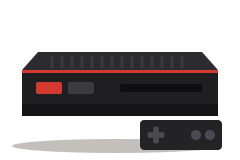
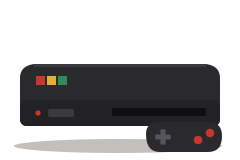
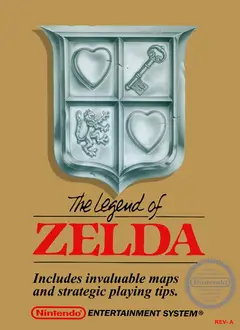
Nintendo Entertainment System / Famicom
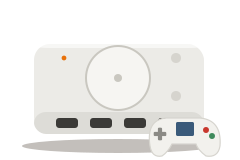
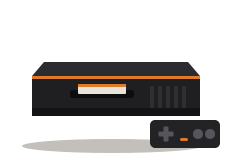
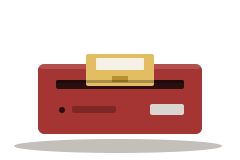
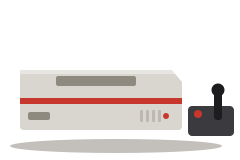
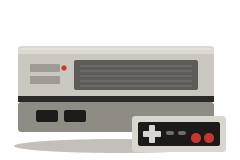
The grey front-loader that put home video games back on the shelf after the 1983 crash.
1,682games catalogued
Player one, ready
Your first shelf takes about two minutes — the hard part was finding the games.
© 2026 RETROSHELF · LICENSED BY COLLECTORS
The home of physical game collections
RetroShelf turns the physical games in your room — carts, discs, tapes and their boxes — into a gallery: real box art, real spines, arranged exactly the way they stand on your shelf. Built by collectors, for collectors.
“Saturday Morning”
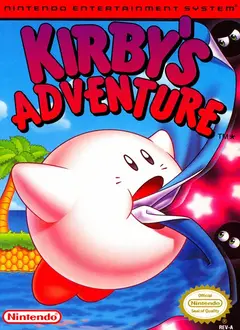
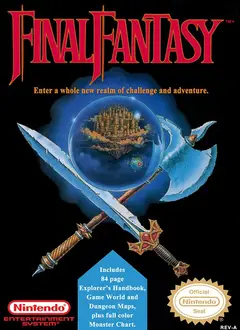
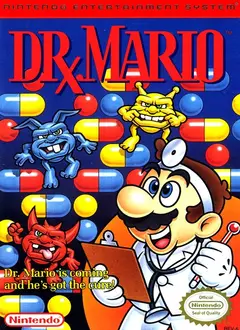
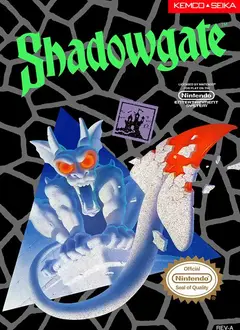
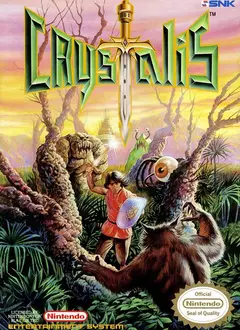
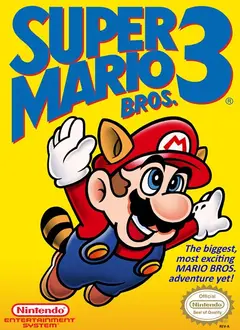
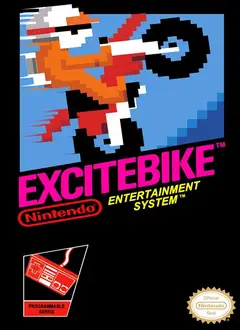
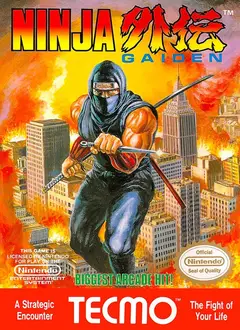
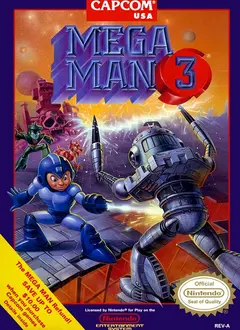
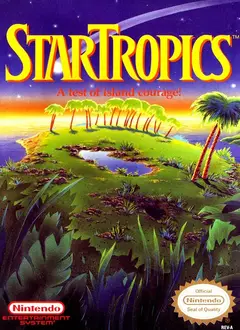
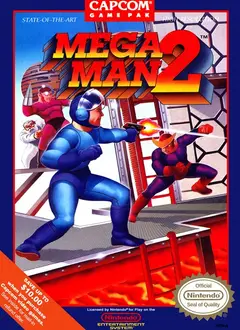
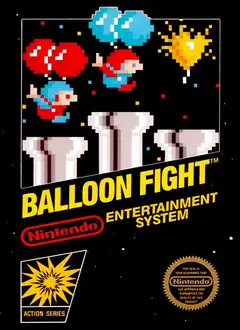
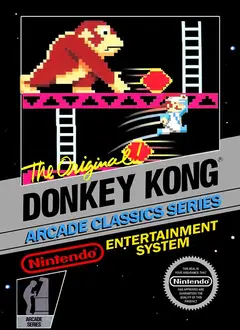
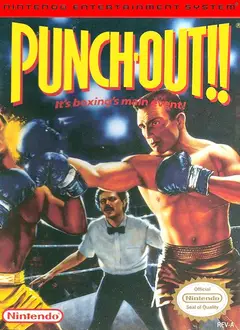
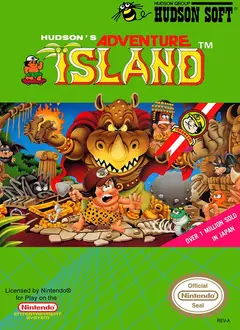
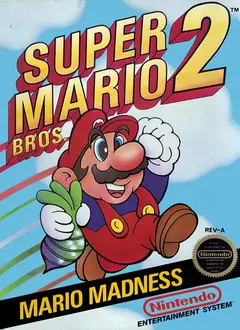
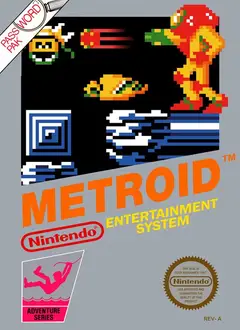
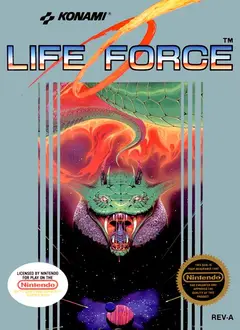
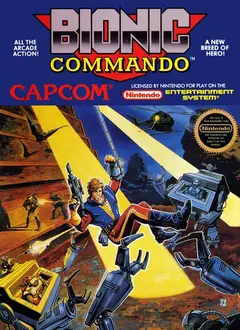
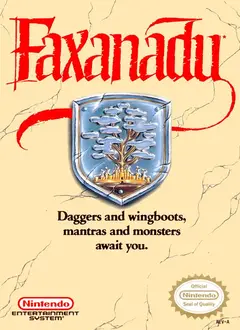
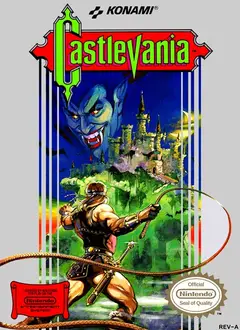
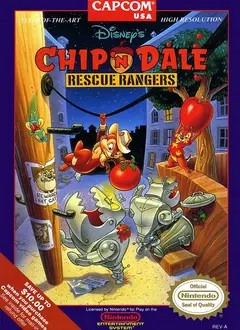
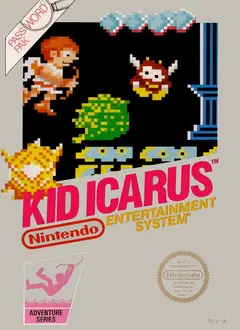
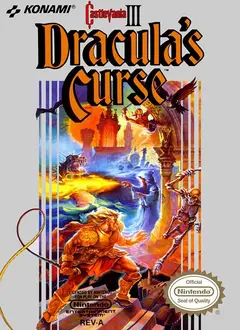
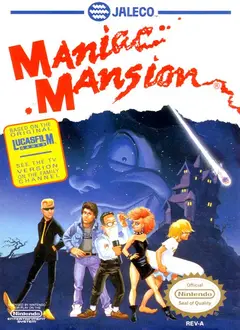
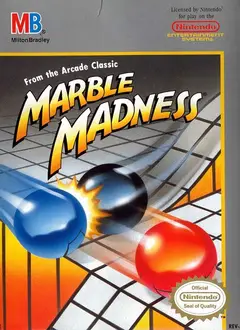
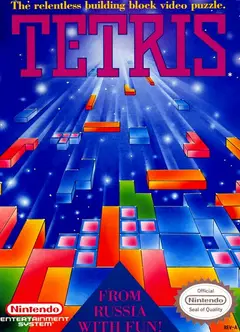
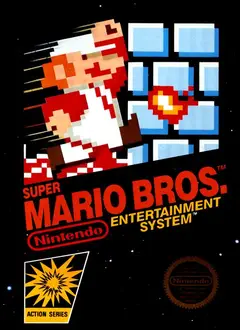
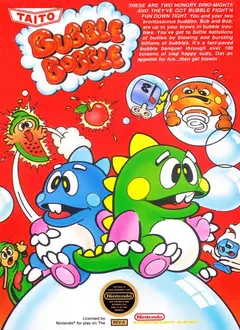
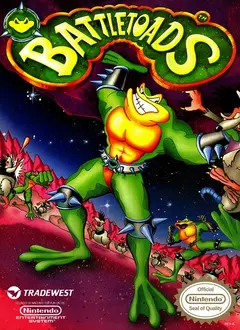
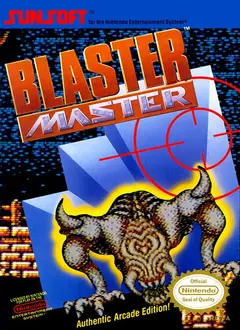
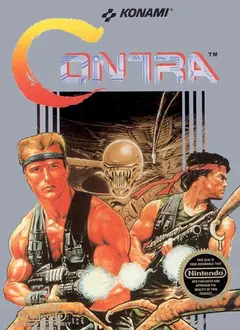
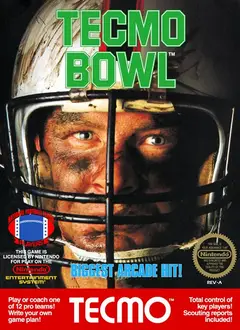
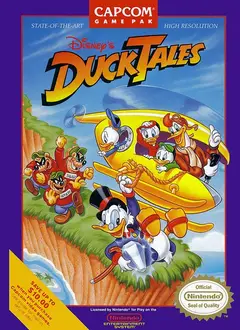
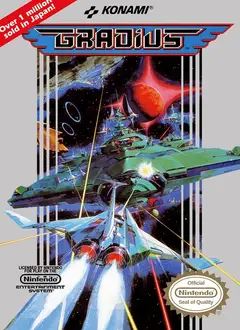
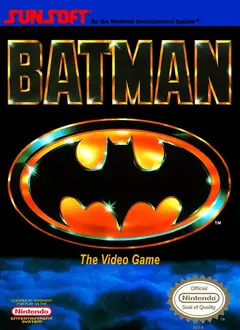
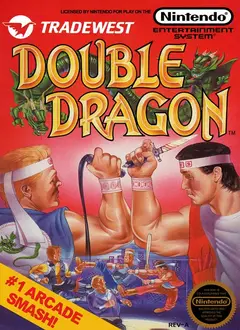
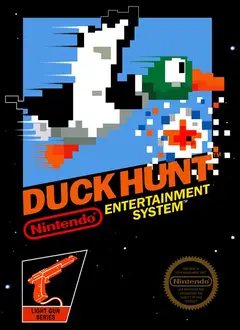
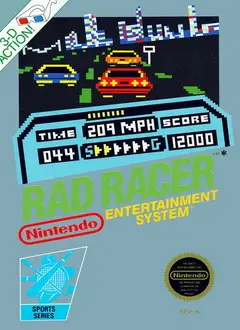
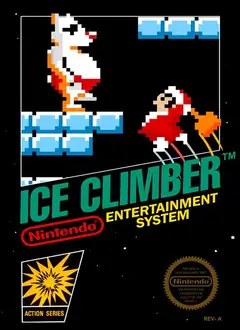
Twenty-two boxes from an NES wall, 1985–1993. White oak, cardboard, nostalgia.
Run your cursor along the spines · click a box to turn itTap a box to turn it
No spreadsheets. If you can find a game on your real shelf, you can find it here. First your collection fills up, then you put every box exactly where it belongs.
Search the title, tap add. The real box scan and its matching spine come with it.
Every game you own goes into your collection first — cart, box and manual, their condition, what you paid. The list grows; nothing is on a shelf yet.
Then build cabinets and put the collection on them: drag boxes between shelves, turn your favourites face-out, add a plant or a figure. It should look like your room, not a database.
Your shelf gets its own link. Post it, collect likes, and swap stories with people who also know what a Game Pak smells like.
2 libraries are open with 2,626 games; 42 more consoles are being catalogued box by box — tell us which shelf you need next.
The grey front-loader that put home video games back on the shelf after the 1983 crash.
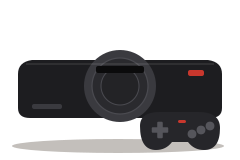
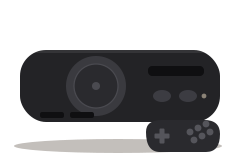
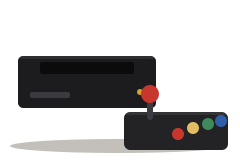
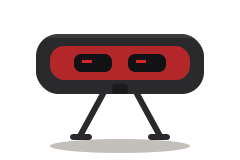
Sega’s 16-bit challenger — arcade attitude, a three-button pad and a fast blue hedgehog.
Coming soon42
Some things are worth more than their price tag. A grey cartridge with a faded label is one of them.
Somewhere along the way, games stopped being things. They became licences, downloads, icons in a library that can change or vanish overnight. But a whole generation grew up with games you could hold: a cartridge you blew into before it would start, a box with a fold-out map, a manual you read in the back seat on the way home from the shop.
Those games are still here. They sit on shelves, in drawers, in boxes in the attic — and most of them still work. That is what RetroShelf is about: physical retro games. Cartridges, discs, boxes and manuals — real copies you own, can lend, and will still own in thirty years. No digital licences, no ROMs. If it stands on your shelf, it belongs here.
Ask a collector about a game on their shelf and you rarely get a release date. You get a story. The birthday it arrived. The friend who never gave it back. The summer you finally beat the last level, the save lost when the battery died, the boxed copy found twenty years later at a flea market and bought for far too much — happily.
Nostalgia isn’t only looking back. It’s why a platformer from 1990 still feels warmer than anything released this year. Our favourite console games are tied to rooms, people and years of our lives, and keeping them on a real shelf keeps those memories close. On RetroShelf every copy has room for its story: a note, its condition, where it came from, photos of the actual box.
A collection is a memory you can put on a shelf.
A museum doesn’t just store things — it shows them, labels them and lets people walk through. RetroShelf does the same for your games. Your collection stands on virtual shelves with real box art and real spines, arranged exactly as it stands in your room. Your five all-time favourites go on plinths in your own Hall of Fame. The game in your console right now gets a blinking light. And anyone can visit, look through your cabinets and like the shelf they envy.
Behind the exhibition is a catalogue of thousands of console games — for the NES, Sega Mega Drive / Genesis, Game Boy, Master System and Game Gear, with more platforms on the way. Loose cartridge or complete in box, PAL or NTSC — you record the copy you actually have.
RetroShelf isn’t made by a big studio or a marketplace. It’s built by a collector who loves these games — someone with too many cartridges, not enough shelf space and a spreadsheet that had long stopped being fun. It began as a way to see a whole collection at once, the way it looks in real life rather than as rows in a table, and grew into a place for everyone who still keeps their games in boxes.
That also says what it isn’t. It isn’t a shop, and it never shows what you paid for a game to anyone but you. It’s a home for collections — slow, careful, and made with love for the 8-bit and 16-bit era.
Three cartridges from childhood or three hundred boxed games behind glass — there’s room for both. Build your shelf, add the games you own and give your favourites the place they deserve.
Your collection is free to catalogue and show off. PRO is for collectors who want more — what it’s worth, more room, your own photos on every copy, no ads, and a hand in what we build next.
Free · forever
Catalogue up to 300 copies with the condition of every part, 2 cabinets of shelves, your profile, reviews and followers. Your private notes and prices stay yours.
$0no card needed
Get startedPRO · monthly
$3.99per month
Try PRO for a month — see what your collection is worth. Cancel anytime.
PRO · yearly
$24per year · $2 a month
Cancel anytime — your shelves stay up.
PRO · one time
$49once · $99
100 of 100 places left at this price. Then $79.
Prices in USD; taxes may apply. Free may show a few ads one day; PRO never does. Payments are handled by Creem, our merchant of record — cancel renewal anytime in Settings · Billing. Terms · Refunds
A home for physical retro game collections. You catalogue the games you actually own — every copy with the condition of its cartridge, box and manual — and show them off on virtual shelves with real box art, arranged the way they stand in your room.
It’s part logbook, part gallery: the boring details are kept for you, and the shelves are something you’ll want to share.
Anyone with a shelf of old cartridges. Lifelong collectors keeping track of hundreds of copies, people who just found their childhood NES in the attic, and everyone in between.
If you care about boxes and manuals, regional releases and the story behind each copy — where you found it, what you paid, what’s missing — it’s for you.
A spreadsheet knows titles. RetroShelf knows the catalogue — releases, regions, publishers, years, box art — so adding a game is a search and a tap, not a row of typing.
It also understands copies: what’s in the box, how worn each part is, which folder or shelf it lives on, what you paid. You can filter for every game without a manual in a second. And a shelf is something people actually look at.
Open any game — from a platform’s library or the search at the top — and press “Add to collection”. Your collection page has “Add a game” too: find the title right there without leaving the page.
Tick what you have (cartridge, box, manual) or use a quick set like Loose or CIB, give each part its own condition, and if you like add the release, the date you bought it, what you paid and a note. Own two copies? Add another one.
Browse the platforms →Loose is the cartridge alone. Boxed is the cartridge with its box. CIB — complete in box — is cartridge, box and manual. Sealed is still in the factory shrink wrap.
RetroShelf works the label out from the parts you tick, and keeps a separate condition for each part — from Mint to Fair — because a mint box can come with a torn manual. The copy as a whole takes the grade of its weakest part.
A cabinet is a wall of shelves — one per room or corner, like “Living room” or “Office”. Each comes with its first shelf; add more, name them, put them in order.
Put games on a shelf straight from your collection, several at a time. Then drag them along a shelf or onto another one, turn your favourites face-out, or take one off — it stays in your collection.
Folders say where copies are actually kept — “In boxes”, “At my parents’”, “Storage unit”. Every copy is in one; the ones without a folder go to the default one.
Folders and shelves are separate: a folder is about where a game lives, a shelf is about how you show it off.
You choose in Settings → Privacy: everyone, only signed-in collectors, or only you. Private profiles stay out of search and the collectors directory.
Whatever you choose, the price you paid, the date you bought a copy and your notes are never shown to anyone else — they’re just for you.
Cataloguing and showing off your collection is free — within Free’s limits (see Pricing): copies, cabinets of shelves, your profile, reviews and followers. We never sell your collection data; Free may show a few ads one day, PRO never will.
PRO is for collectors who want more: more room, your own photos on every copy, no ads, what the collection is worth, import and more. $3.99 a month, $24 a year, or once for life — from $49 for the first 100 founding members, rising as the places fill.
See pricing →The NES and the Sega Genesis / Mega Drive are open now, each with its whole library — licensed and unlicensed releases, regions and publishers.
More consoles are on the way. Tell us which one you want next: the most asked-for platforms open first.
Suggest the next platform →Yes. Every page works on phones — the search, your collection, adding a copy at a flea market, arranging the shelves (tap a box to turn, move or take it off).
That collector is verified: we confirmed who they are — a known developer, musician, store or collector. It’s given by the RetroShelf team, never bought.
Write to us through the contact form — a missing release, a wrong year, a better box scan, a bug. Every collector who points something out makes the catalogue better for everyone.
Contact us →No. RetroShelf is an independent project made by collectors. Game titles, box art and trademarks belong to their owners.
Player one, ready
Your first shelf takes about two minutes — the hard part was finding the games.