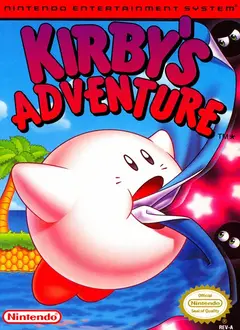
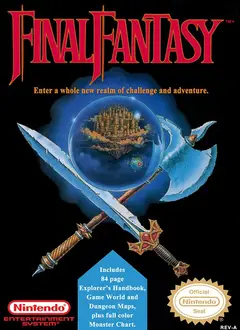
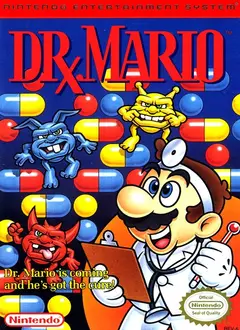
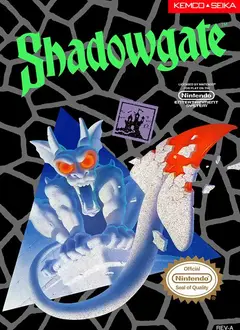
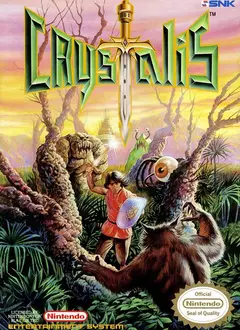
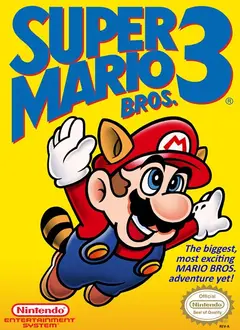
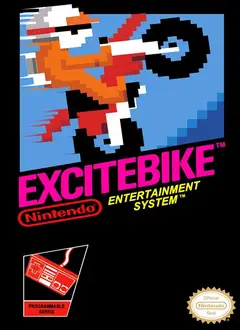
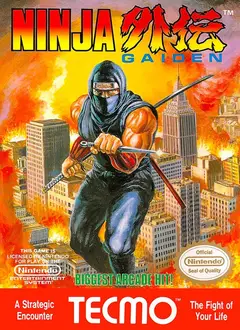
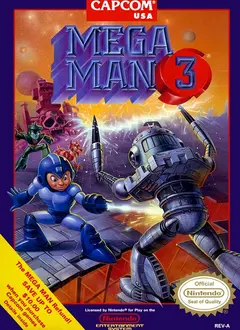
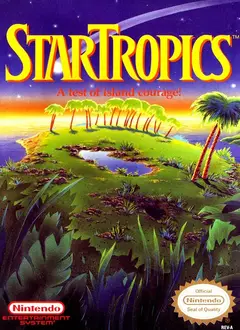
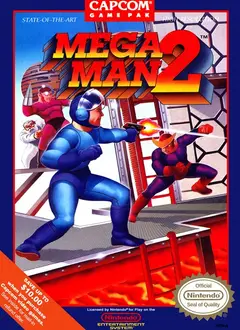
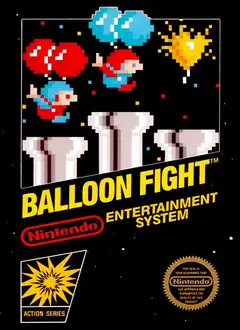
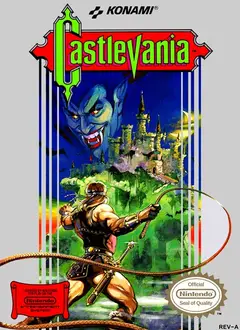
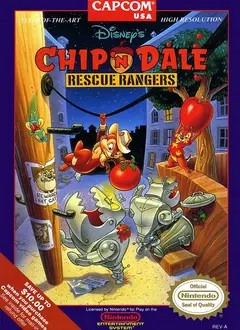
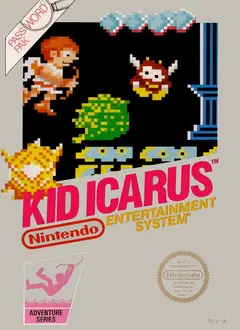
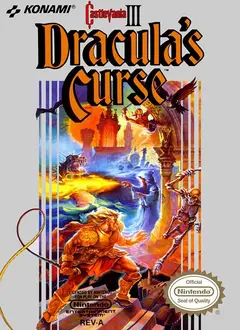
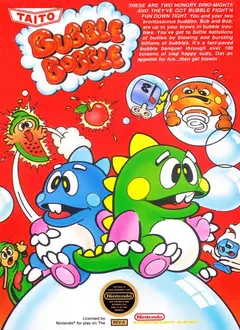
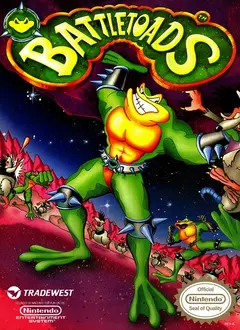
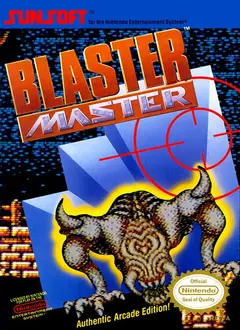
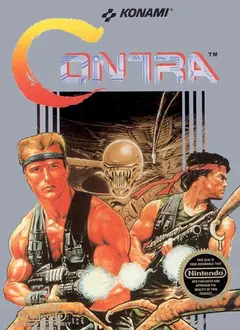
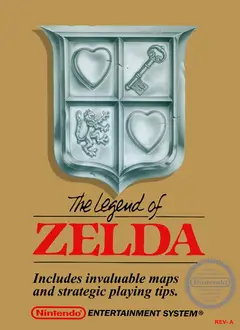
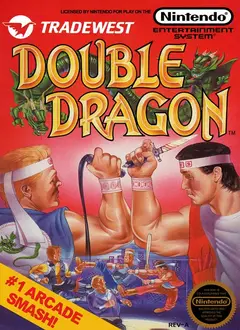
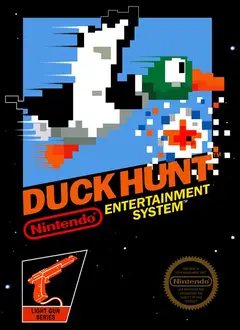
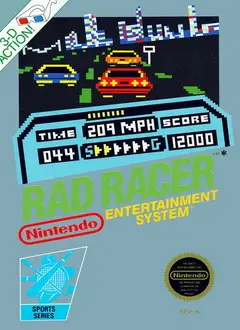
Live nowGEN 3
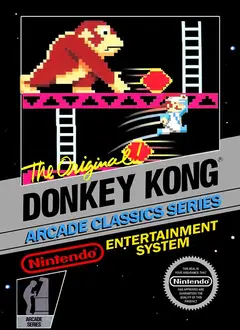
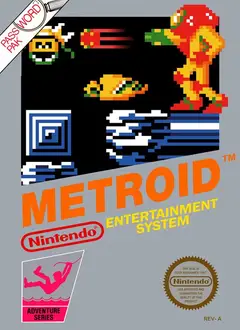
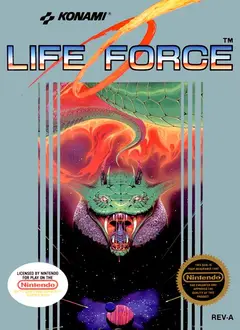
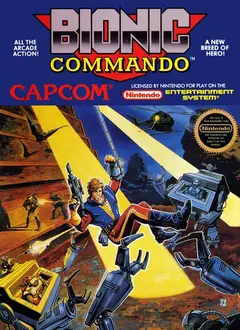
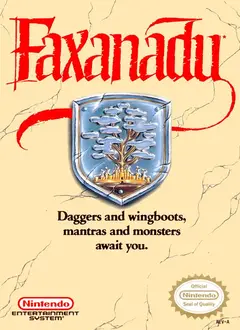
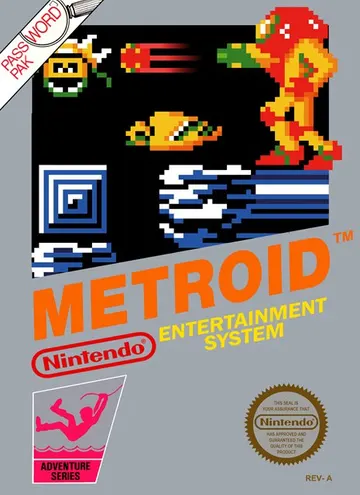
Nintendo Entertainment System / Famicom
The grey front-loader that put home video games back on the shelf after the 1983 crash.
1,682games catalogued
44 systems · 2 live
Every retro console, handheld and home computer, from the Atari 2600 to the PS2 — catalogued box by box. 2 libraries are open with real box art and spines; the rest are on their way.
Each tile opens the platform: its library, or what's coming for the shelves still being catalogued.
The grey front-loader that put home video games back on the shelf after the 1983 crash.
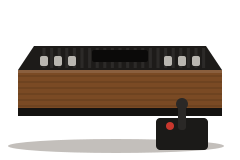
Wood grain, a single-button joystick and the cartridge that started it all.
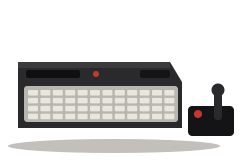
A console with a full keyboard, numbered Videopac carts and a board game hybrid.
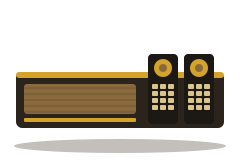
Wood trim, a disc controller and keypad overlays: the 2600’s cleverer rival.
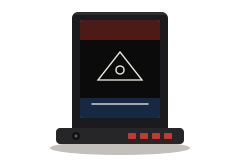
A console with its own vector screen, and coloured overlays to fake the colour.
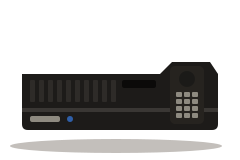
Arcade-quality ports in 1982, a keypad controller and Donkey Kong in the box.
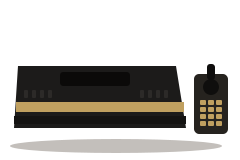
Atari’s big 8-bit follow-up, with an analogue stick that never quite centred.
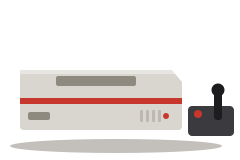
Sega’s first home console, launched the same day as the Famicom.
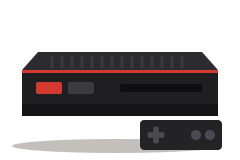
The NES’s 8-bit rival — a hit in Europe and Brazil, a cult classic in North America.
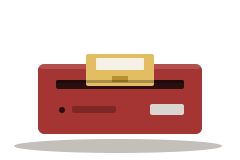
Yellow Disk Cards for the Famicom: saves, cheap rewrites and the first versions of famous series.
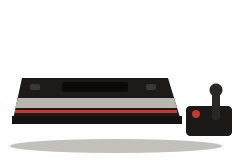
Atari’s answer to the NES: arcade ports, 2600 compatibility and a long delay.
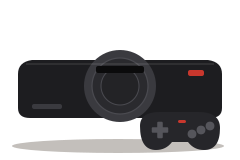
Sega’s 16-bit challenger — arcade attitude, a three-button pad and a fast blue hedgehog.
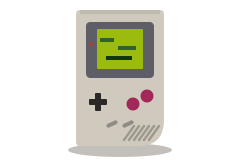
Four shades of green, a pack of AA batteries and Tetris in the box.
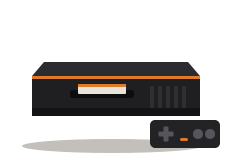
Games on credit-card-sized HuCards — a giant in Japan, an underdog in the US.
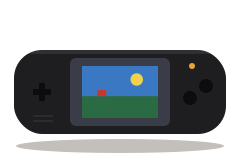
The first colour handheld: backlit, ambidextrous and able to flip upside down for left-handers.
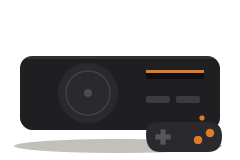
The first CD games on a console: anime cut-scenes, CD audio and the System Card each disc needs.
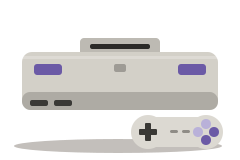
Mode 7, a four-face-button pad and the 16-bit library many collections start with.
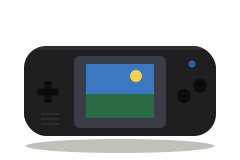
A backlit colour handheld that ate six AA batteries for breakfast.
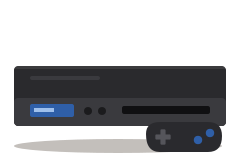
A multimedia player that also played games, including the notorious licensed Zelda titles.
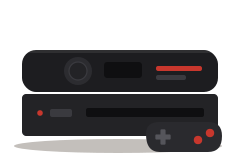
A CD drive under the Genesis: full-motion video, CD soundtracks and long boxes.
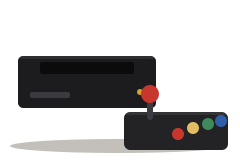
Arcade-perfect carts at arcade-board prices — the luxury shelf of the 16-bit era.
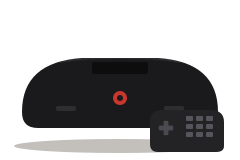
"Do the math": Atari's last console, with a phone-keypad controller and overlays.
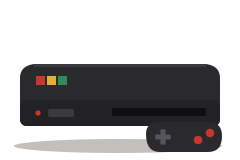
A licensed standard rather than one console: Panasonic, Goldstar and Sanyo all built one.
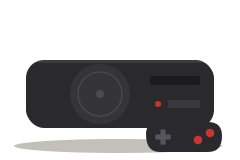
Commodore's last machine: an Amiga 1200 in a console shell with a CD drive.

A mushroom on top of the Genesis: 32-bit power for a few dozen carts.
SNK's arcade library on cheap CDs, with long loading screens as the price.
Sony’s first console made CDs, long cases and memory cards the new normal.
Twin processors, arcade fighters and some of the most expensive cases on any shelf.
Red-on-black 3D in a headset on a stand: Nintendo's shortest-lived console.
Analogue sticks, four controller ports and the jump to 3D — still on cartridges.
Colour screen, translucent shells and the Pokémon sequels.
SNK's monochrome pocket machine with the famous clicky micro-switch stick.
A clicky stick, crisp sprites and pocket versions of SNK's fighters.
A Japan-only pocket machine that runs on one AA battery and plays held either way round.
A built-in modem, a screen in the controller and a short, brilliant life.
Colour, backwards compatibility and Final Fantasy remakes, still Japan only.
The best-selling console ever: a DVD player, a vast library and black-label first prints.
A 32-bit pocket machine that turned into a home for 2D masterpieces.
A lunchbox with a handle and a library that holds its value.
Two screens, a stylus and a microphone — and a library bigger than anyone expected.
A widescreen pocket PlayStation on little UMD discs in plastic shells.
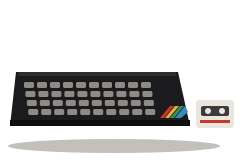
Rubber keys, a rainbow stripe and the cassette games that started British game development.
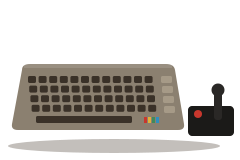
The best-selling single computer model, with the SID chip and games on tape, disk and cartridge.
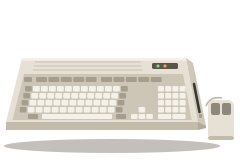
Big boxes, multi-disk games and the 16-bit computer Europe played on.
North American release years. Filters above dim the systems they leave out.
North American launch years. Not shown (year to verify): Neo Geo AES.